
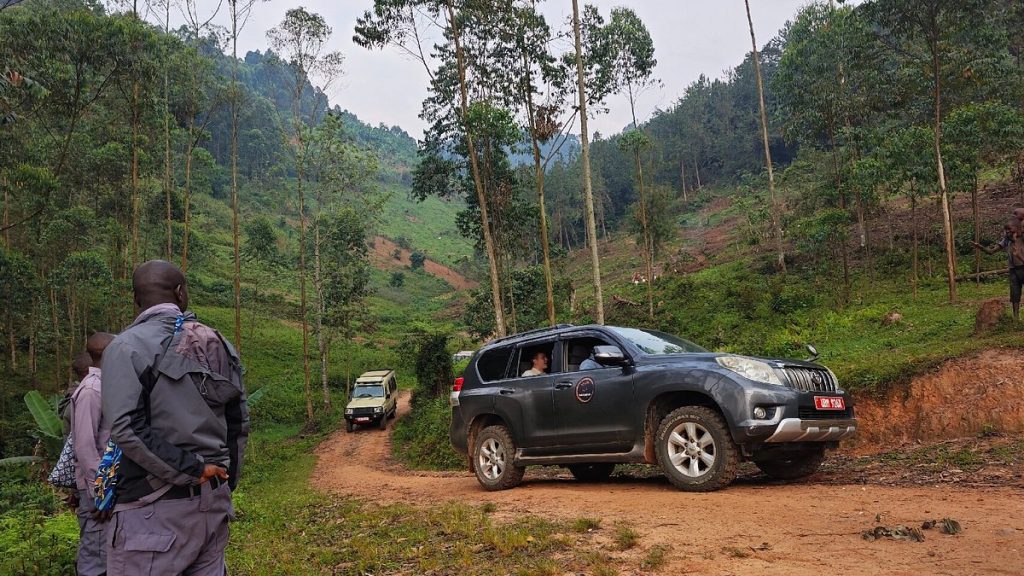
A self-drive safari to Bwindi Forest National Park is one of Uganda’s most rewarding road adventures. It is not merely a journey from one destination to another, but an unfolding expedition through lively towns, rolling cattle country, terraced highlands, misty valleys, and ultimately, the ancient rainforest that shelters the endangered mountain gorillas.
Bwindi Impenetrable National Park is located in southwestern Uganda, near the borders of Rwanda and the Democratic Republic of Congo. The park is renowned for its dense montane forest, steep ridges, remarkable biodiversity, and the unforgettable experience of gorilla trekking. For travelers who value independence, flexibility, and scenic exploration, driving to Bwindi provides a deeper connection to Uganda’s stunning landscapes.
Why Choose a Self-Drive Safari to Bwindi?
A self-drive safari grants you the freedom to stop for photographs, enjoy roadside fruit markets, take scenic detours, and travel at your own pace. Instead of rushing from point to point, the journey becomes an integral part of the safari.
Renting a car in Uganda is particularly practical for travelers looking to explore beyond Bwindi. A 4×4 vehicle allows you to connect Bwindi with nearby attractions such as Lake Bunyonyi, Queen Elizabeth National Park, Lake Mburo National Park, Kibale Forest, or even Rwanda through the Cyanika or Katuna border posts.
While the journey requires some preparation, the reward is exceptional. As you leave the bustling lowlands behind, you will discover Bwindi’s remote, wild, and topographically dramatic terrain. The final approach to the park often includes winding mountain roads, forest-edge villages, and breathtaking panoramic views.
Main Route from Kampala or Entebbe to Bwindi
Departing from Kampala or Entebbe, the most popular route follows the southwestern highway through Masaka, Mbarara, Ntungamo, Kabale, and onward to the relevant sector of Bwindi. Depending on your destination, the drive typically takes around 8 to 10 hours.
The journey from Entebbe or Kampala to Bwindi covers approximately 460 to 520 kilometers, depending on your final lodge and trekking sector. It is best to start early in the morning, ideally before sunrise, to avoid city traffic and allow for sufficient stopovers along the way.
Stop 1: Kayabwe Equator Crossing
One of the first significant highlights is the Equator crossing at Kayabwe. This classic stop on a Uganda road trip is perfect for photos, coffee, crafts, and the popular water demonstration illustrating the effects of the northern and southern hemispheres.
While it’s a simple stop, it marks a ceremonial beginning to your journey. From here, the road continues through roadside settlements, banana plantations, and open countryside toward Masaka.
Stop 2: Masaka and the Road to Mbarara
Masaka is a busy commercial town and an excellent place to grab refreshments, refuel, or take a short break. After leaving Masaka, the landscape begins to change, opening into long stretches of farmland, papyrus wetlands, and rural trading centers.
As you approach Mbarara, the scenery becomes increasingly pastoral. This region is renowned for its Ankole long-horned cattle, expansive grazing lands, and a serene countryside atmosphere. Mbarara is the best option for a major lunch stop along the route, and it has reliable fuel stations, supermarkets, and restaurants.
Stop 3: Ntungamo, Kabale, and the Highland Ascent
From Mbarara, the road continues through Ntungamo and toward Kabale. This section introduces the beautiful Kigezi highlands, sometimes called the “Switzerland of Africa” due to its terraced hills, deep valleys, and cooler mountain climate.
The drive becomes more scenic and serpentine, with roads curving through hillsides where farms cling to steep slopes. The air feels fresher, and the views more majestic.
Kabale is a key stop for travelers heading to the southern sectors of Bwindi, especially Rushaga and Nkuringo. From Kabale, the road narrows and climbs toward the forested ridges surrounding Bwindi.
Understanding Bwindi’s Gorilla Trekking Sectors
Bwindi has four main gorilla trekking sectors: Buhoma, Ruhija, Rushaga, and Nkuringo. Your route will depend on the sector listed on your gorilla permits.
Buhoma is located in the northern part of the park and is often accessed through Rukungiri, Kihihi, or via Queen Elizabeth National Park. It is one of the oldest and most established trekking sectors.
Ruhija is situated in the eastern part of Bwindi and is suitable for travelers connecting from Kabale or Queen Elizabeth National Park.
Rushaga and Nkuringo are located in the southern part of Bwindi and are typically accessed from Kabale or Kisoro. Rushaga is known for its multiple gorilla families and offers gorilla habituation experiences.
Before you set off, confirm your trekking sector carefully. This can only be confirmed by your gorilla trekking permit, which allocates you where to go for the gorilla tracking activity. Driving to the wrong sector can cause significant delays, as Bwindi’s roads are mountainous and the sectors are not always close to one another.
Road Conditions and Vehicle Choice
A 4×4 vehicle is highly recommended for a self-drive safari to Bwindi. While some main highways are paved and manageable, the final roads leading into the park may require a more rugged vehicle. While some main highways are paved and manageable, the final roads leading to the park may require a more rugged vehicle.
Suitable Vehicles for Traveling to Bwindi
When planning a trip to Bwindi, it is advisable to use vehicles such as the Toyota RAV4, Land Cruiser Prado, Land Cruiser V8, or similar safari-ready 4x4s. For adventurous travelers, hiring a rooftop tent vehicle in Uganda can be an excellent choice, allowing you a combination of camping experiences at Bwindi and other destinations.
When renting a car, ensure that the vehicle has good ground clearance, a spare tire, a jack, and basic emergency tools. Be sure to ask for clear information regarding fuel type, insurance coverage, border-crossing permissions if necessary, and emergency contact details.
Best Time to Drive to Bwindi
Bwindi can be visited year-round, but the best driving conditions typically occur during the dry months, from June to September and December to February. During these periods, roads are generally easier to navigate, and the trekking trails are less muddy. However, keep in mind that Bwindi is a rainforest, and rain can occur at any time. Even in the dry season, mist, drizzle, and sudden showers are common, contributing to the forest’s mysterious and primeval character.
What to Pack for the Journey
Being well-prepared for your trip makes it smoother and safer. Essential items to pack include a valid driving license, passport, printed copies of gorilla permits, travel insurance documents, the car rental agreement, and park booking confirmations.
For the trek, pack waterproof hiking boots, long trousers, long-sleeved shirts, gardening gloves, a rain jacket, insect repellent, sunscreen, a refillable water bottle, energy snacks, and a small daypack. A walking stick is often provided at the park headquarters and can be very helpful on steep trails.
For the road trip, carry offline maps, a phone charger, a power bank, a flashlight, a first-aid kit, and enough cash for fuel, meals, tips, and small purchases in remote areas where card payments may not be accepted.
The Gorilla Trekking Experience in Bwindi
The gorilla trekking experience begins early in the morning at the park headquarters. Visitors attend a briefing by Uganda Wildlife Authority rangers, who explain trekking rules, safety guidelines, and gorilla behavior.
After the briefing, groups are assigned to different gorilla families. The trek can take anywhere from one hour to several hours, depending on the location of the gorillas. Trails may lead through thick vegetation, muddy slopes, bamboo thickets, and tangled rainforest.
Then comes the moment of encounter: a silverback appears through the foliage, a mother cradles her infant, and young gorillas tumble and play in the undergrowth. For one precious hour, visitors observe them quietly in their natural habitat.
This experience is intimate, humbling, and almost sacred. This is the climax of the journey, but the self-drive adventure adds even more meaning. By the time you reach the gorillas, you will have already crossed Uganda’s heartland, climbed into its highlands, and felt the changing rhythm of the country mile by mile.
Recommended Overnight Stops
Although it is possible to drive from Kampala or Entebbe to Bwindi in one day, some travelers prefer to break up the journey. Lake Mburo National Park, Mbarara, Kabale, or Lake Bunyonyi are excellent options for overnight stops. Lake Bunyonyi, in particular, is especially appealing after trekking. Its quiet islands, calm waters, and cool climate provide the perfect post-gorilla retreat before returning to Kampala, Entebbe, or continuing to Rwanda.
Final Travel Tips
Start early, drive cautiously, and avoid night driving. Be sure to refuel in major towns such as Mbarara, Kabale, or Kisoro before heading into remote areas. Always confirm lodge directions in advance, as GPS routes can sometimes mislead travelers in mountainous regions where the network is poor.
Most importantly, secure your gorilla permits before finalizing your road trip plan. Permits determine your trekking sector, which in turn affects your route, accommodation, and driving schedule. Please note, never leave Kampala without your permit, as permits are only sold at the UWA offices in Kampala.
A self-drive safari to Bwindi Forest National Park is more than just following a route; it is a grand journey into one of Africa’s most enchanting wildernesses. With the right vehicle, proper preparation, and a spirit of adventure, the road to Bwindi becomes an unforgettable part of the safari experience.