
Spending an hour with the gorillas in Bwindi Impenetrable Forest is one of the thrilling and adrenaline, heart pounding adventure that you can enjoy while traveling Africa. Gorilla tracking is an exciting but an energy sapping experience. The local guide leads you through the impenetrable forest, the gorilla’s world, explaining aspects of their ecology and unique behavior, along the way.
To have the perfect hour, you have to prepare yourself well for the gorilla trek in Bwindi Impenetrable Forest. Here are some important tips to help you get the best out of your gorilla visit.
Wear Long Sleeved Shirts
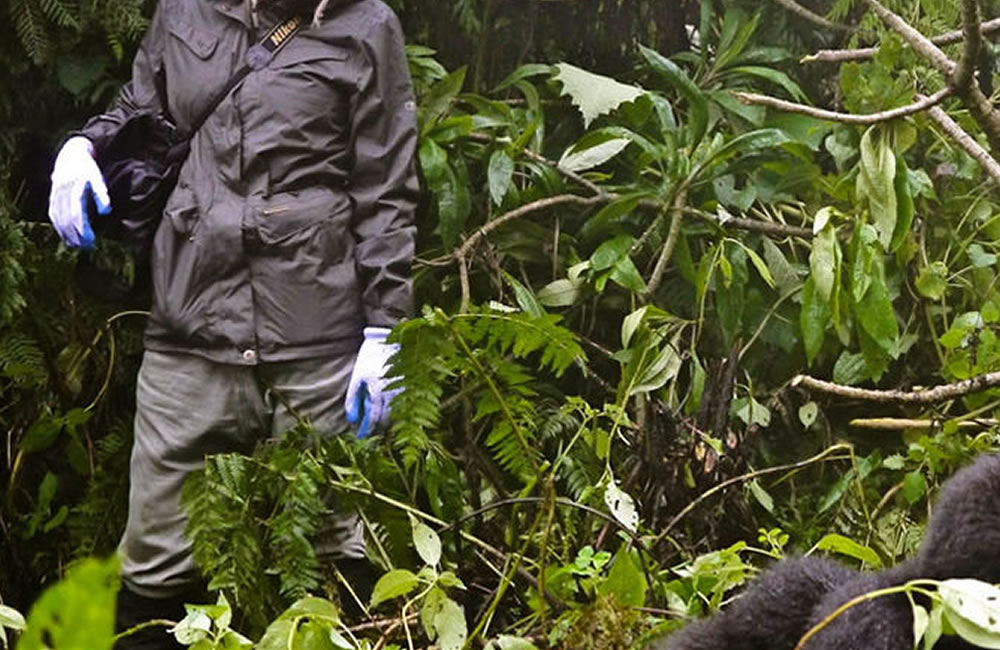
You need to wear a long-sleeved shirt and long trousers (can be either Khaki zip-up trousers or jeans) in fact if you can get waterproof trousers wear those. Both long trousers and long-sleeved shirts protect you from branches, nettles, thorns or anything else that can prick/scratch you.
Cotton undergarments are recommended, also the ladies should ensure that they wear comfortable bras since the hike can be tough.
Some visitors ignore this advice and wear shorts and t-shirts, truth is by the end of the day the exposed skin has scratches, therefore ensure you follow this advice.
Wear Waterproof Hiking Sturdy Boots
The hiking trails can be slippery especially when it rains therefore a pair of waterproof hiking boots is required especially for gorilla safaris. The shoes should be comfortable for you, in fact Rangers and Trekkers usually wear rubber boots or gumboots. Therefore, you can’t see any one wearing white snickers, sandals or any inappropriate footwear.
Hiking boots will give you good stability, balance, traction and support to your ankles, with these also wear good and thick socks. It is important to tuck your trousers into your socks, this sounds and may look unfashionable but it will protect you against fire ants.
A Rain Jacket
Gorillas are trekked in the rainforest and usually in the morning hours, therefore rain might fall at any time whether it’s a dry season or not, and therefore rain jacket should come handy.
A poncho can also be worn, most trackers, rangers and porters wear it. If you are carrying one, carry a light one which you can easily fold and kip in your bag pack until you need it the next time.
Carry Some Energy-giving snacks
Food is your energy source to keep hiking through Uganda’s untamed woods. No one is sure how long you’ll spend in the wilderness before the trackers spot the gorillas. You might want to carry something to snack on when you feel your energy is getting depleted.
Gorilla trekking lodges do an excellent job as bases for this experience. They usually pack you something for lunch or snacking, which you throw in your backpack, and the guides typically allow short snack breaks.
Still, you can carry something familiar like an energy bar and at least a liter of drinking water. Remember that it’s illegal to litter the pack, so throw your garbage back in your bag.
Don’t Forget the Insect Repellent
During the trek you come across different insects therefore wears a lot of insect repellent will protect you, also you can apply a sunblock cream on your exposed body parts.
For trackers who are on a gorilla habituation experience, which takes almost half a day are advised to bring the repellent in their daypack.
Two facemasks & hand sanitizers
A facemask is a must-have item for every trekker. Gorillas share most of our genome, which means they could catch any contagious diseases carried by humans, especially respiratory ones. The same is true for us; we could catch infectious diseases from these great apes.
To minimize this, the specialists advise that we wear a facemask and stay at least 10 meters away from the gorillas. However, you won’t have to wear the facemask while hiking through the jungle, only during your time with the gorillas.
Carry a Pair of Hiking Gloves
The guides will do as much as they can to clear a path, but you’re inevitably going to get your hands dirty and, in doing so, will want to avoid the prickles on your hands.
Hiking or outdoor gloves will come in handy when you have to clear your path and grip a branch to avoid sleeping on steep slopes. They’ll also keep you from leaving dangerous organisms on the things you touch during your trek.