
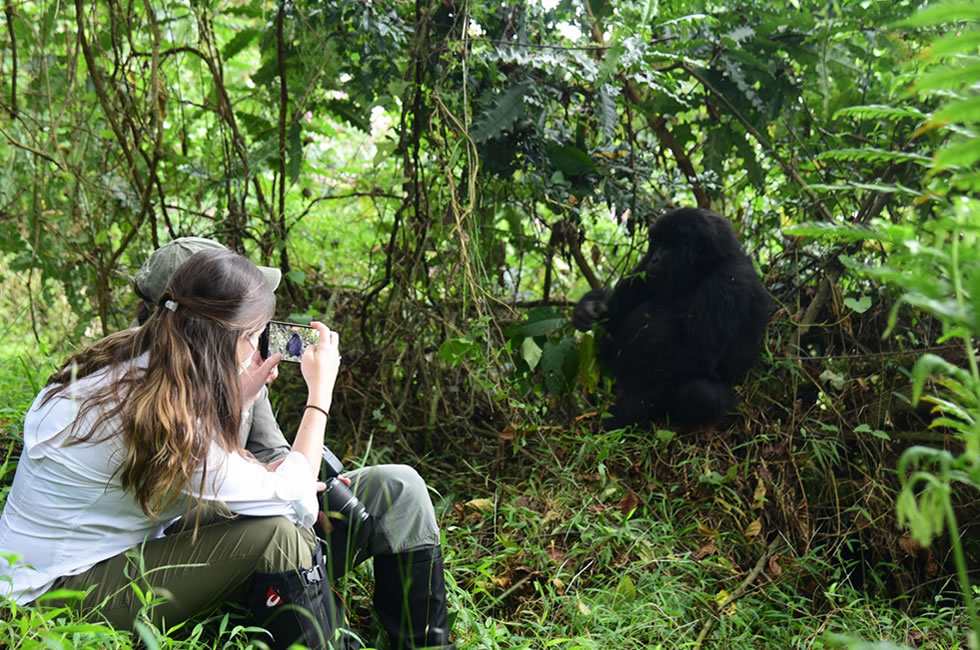
The tracking of mountain gorillas (Gorilla beringei beringei) generates enough revenue to cover park management costs and contribute to the national budget of the Uganda Wildlife Authority (Archabald & Naughton-Treves 2001). As a result, tourism is generally considered a crucial component of gorilla conservation strategy (Weber 1993; McNeilage 1996). There are however several concerns about
The Gorilla Population of Bwindi Continues to Increase

Periodic censuses of endangered populations of high-profile species help us to understand their population dynamics, to assess the success of conservation programmes aimed at ensuring their survival, and to ensure that they receive continued attention from the global conservation community. Mountain gorillas (Gorilla beringei beringei) are highly endangered, with just two small populations in Bwindi
More Gorilla Groups Will Be Habituated in Bwindi
Despite the serious concerns of many experts, the Uganda Wildlife Authority (UWA) is planning to habituate two more gorilla families in Bwindi Impenetrable National Park. This will bring the total number of habituated groups there to 6. UWA will then earn even more revenue from gorilla tourism, which currently contributes up to 70% of UWA’s
Gorilla Permit Fees Increase To Us$500 From 1st July 2007
Uganda Wildlife Authority (UWA) wishes to inform the public that in line with efforts to harmonise management of gorilla tourism in the region, the three countries of Uganda, Rwanda and the Democratic Republic of Congo have agreed to work towards harmonisation of the gorilla tracking fees in all the 3 countries. Based on the prevailing

Celebrating 15 Years of Bwindi as a National Park
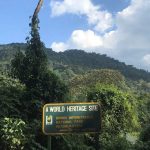
Since 1993, small groups of tourists have been taken to see habituated groups of gorillas. Tourists pay a good deal of money (currently US$ 360 per person per one hour visit, in addition to the park entrance fees) for the privilege, and this generates considerable revenue for UWA, as well as bringing additional money into
Nabagereka of Buganda Tracks the Rare Mountain Gorillas
The Nabagereka of Buganda, Lady Sylvia Nagginda on 15th October 2005 became the first queen in the whole world to track the rare mountain gorillas in Bwindi Impenetrable National Park, and what a great time she had! Conservation Through Public Health (CTPH), a local non-governmental organisation for which the Nabagereka is patron, arranged the visit.

Impact of Tourism on the Behaviour of Mountain Gorillas

Tourism based on gorilla viewing is an important strategy in the conservation of mountain gorillas in Uganda, Rwanda and the Democratic Republic of Congo. High fees are charged for such visits, generating considerable revenue for the Governments. Much has been written about the ecology and behaviour of gorillas, but an area that has received little
Impacts of Habituation for Ecotourism on the Gorillas of Nkuringo
The gorillas of Bwindi have been habituated for ecotourism in the region of Buhoma since April of 1993. The original Mubare group is still intact and continues to be visited daily by tourists. Another original group, Katendegyere, disappeared from the area and was later replaced by the large Habinyanja group, which has since fissioned (one
UWA to Begin Mock Tourism on Gorilla Groups
Uganda Wildlife Authority (UWA) is planning to start mock tourism on two newly habituated gorilla groups based in Bwinid Impenetrable National Park, in south west Uganda. This is in a bid to test their readiness to receive tourists. Habituation of the gorillas began in 2006, and for the last two years trackers have followed them
Rushegura Gorilla Family Members Named
What a great innovation! Uganda Wildlife Authority staff in Bwindi Impenetrable National Park, Uganda’s most popular national park, have been able to give names to all eleven gorillas in the Rushegura group. Thumbs up our Bwindi staff!! This is no mean achievement. The process involves closely observing the gorillas for endless hours. No easy task